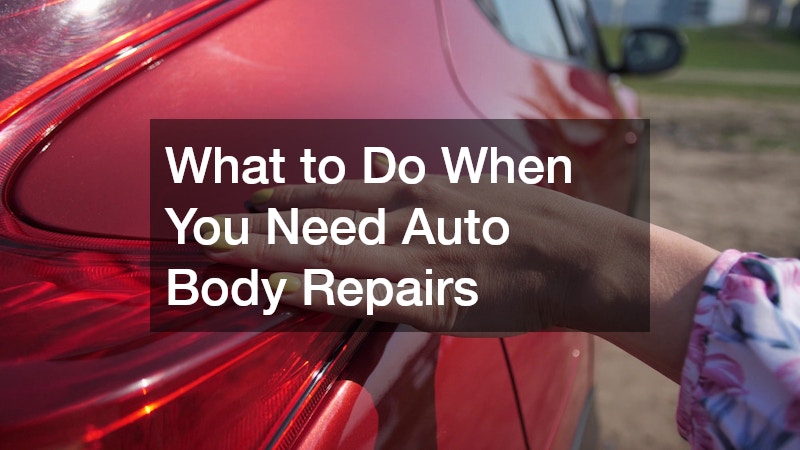
Discovering the need for auto body repairs can be stressful, whether it’s from a minor fender bender or a significant collision. Understanding your options can help alleviate some of this stress. This article will guide you through important considerations when your vehicle requires auto body repairs.
With various factors to consider, having comprehensive knowledge is essential for making informed decisions. From choosing the right repair shop to handling insurance claims, each step plays a crucial role in restoring your vehicle to its original condition.
How to Choose the Right Auto Body Shop
Researching Local Options
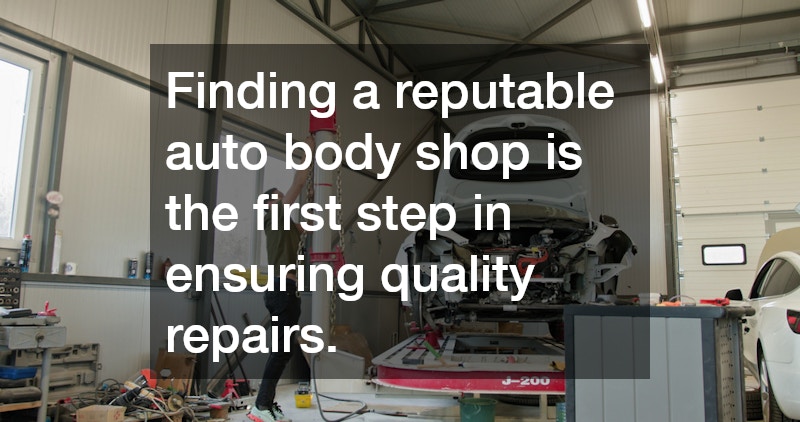
Finding a reputable auto body shop is the first step in ensuring quality repairs. Start by seeking out local businesses with strong reputations and histories of customer satisfaction. Word of mouth, online reviews, and industry certifications like I-CAR or ASE can be great indicators of a shop’s credibility. What’s more, visiting the shops in person allows you to assess their facilities and the professionalism of their staff. Remember, taking the time to research can save you significant stress and money in the long run.
In addition to asking friends and family for recommendations, make use of online resources. Websites such as Yelp and Google reviews provide detailed customer feedback on local shops. This sort of crowd-sourced information can reveal insights into a shop’s customer service, repair quality, and timeliness. Don’t shy away from asking shops for references or proof of past work; reputable providers will gladly showcase their successes. Ultimately, trusting a shop’s experience is often a more reliable bet than simply opting for the closest option.
When assessing local options, consider the range of services offered by each shop. Some body shops specialize in certain types of damage, like hail repair, while others may offer more expansive services. This factor can significantly influence the shop’s ability to efficiently and correctly repair your vehicle. Furthermore, inquire about warranty policies for repairs and parts used. A strong warranty can provide peace of mind and serve as a quality guarantee.
Understanding the Repair Process
Initial Assessment and Estimate
The initial assessment of your vehicle’s damage is a critical step in the repair process. During this phase, a technician will thoroughly inspect the car to identify visible and hidden damage. Accurate assessments are vital, as they form the basis of the repair plan and cost estimate. Many shops offer free assessments, during which they will evaluate the extent of the damage and explain the necessary repairs. It’s important to provide technicians with detailed information about the incident, as this can help them make a more informed evaluation.
Estimates provided by repair shops should be comprehensive, detailing the parts, labor, and any other potential costs involved. Ensure that you receive a written estimate, which includes a breakdown of all anticipated expenses. This documentation is beneficial for insurance purposes and serves as a record if discrepancies arise later in the process. Don’t hesitate to ask the technician to explain each part of the estimate if anything is unclear. Having a clear understanding of expected costs will help you make informed financial decisions, whether paying out of pocket or coordinating with insurance.
It’s also advisable to obtain estimates from multiple shops to compare pricing and services offered. Doing so can uncover significant variations in price and approach, revealing the best option for your situation. Be cautious of estimates that seem unusually low, as they may reflect substandard parts or practices. Additionally, some shops offer courtesy cars or rental services while your vehicle is being repaired, which can be a deciding factor if you need uninterrupted mobility. Ultimately, selecting a shop with transparent, detailed estimates can ensure a smoother repair experience.
Handling Insurance and Claims
Working with Your Insurance Company
Navigating the claims process with your auto insurer can be a daunting task. Initiating a claim begins with contacting your insurance company to report the incident accurately and comprehensively. Understanding your insurance policy, including coverage limits and deductibles, is crucial for managing expectations. The insurer will typically dispatch an adjuster to assess the vehicle’s damage and advise on the next steps. Cooperation with your insurance company and maintaining open communication is essential for a smooth claims process.
Auto body repair shops often assist customers in managing their insurance claims. Many reputable shops have established relationships with insurers and can streamline communication between all parties involved. These shops also help ensure that estimates align correctly with insurance adjusters’ evaluations, potentially mitigating out-of-pocket expenses. However, remain vigilant, verifying that the final repair decision reflects both your insurer’s recommendations and your personal preferences. Ultimately, understanding the claims process fully empowers you to advocate for the best possible outcome.
The claim process requires diligence and attention to detail in handling paperwork and documentation. Keeping meticulous records of correspondence, estimates, and any communications with the insurance company can safeguard against future issues. Additionally, knowing your rights, such as the right to choose your repair shop, enables informed decision-making. Should any disputes arise, seeking third-party mediation services or consulting legal advice may be necessary. With a proactive approach and clear communication, managing insurance claims becomes less overwhelming.
Being equipped with the right information can turn a daunting experience into a manageable process. Whether you’re choosing a repair shop, understanding the repair process, or dealing with insurance, each step is vital to ensuring your vehicle returns to its best possible condition. By approaching each stage thoughtfully and informedly, you mitigate stress and maximize resources available, ultimately ensuring a smoother repair journey. Awareness of industry standards, leveraging expert insight, and effective communication are foundational elements for successful car health restorations. This knowledge inspires confidence and preparedness, streamlining processes and driving optimal repair outcomes, ensuring a safe, reliable return of your vehicle to the road.