Expanding a vehicle fleet is a significant operational decision that requires more thought than simply purchasing additional vehicles. Every addition should serve a clear purpose, fit the demands of the work, and remain practical to maintain over time. Businesses may need different vehicle sizes, specialized equipment, towing capabilities, or upgraded components depending on how their operations are changing.
It is also important to consider what happens after vehicles enter service, including routine maintenance, repairs, replacement parts, and eventual retirement. Looking at the entire lifecycle of each vehicle can make fleet expansion more manageable and help prevent businesses from investing in equipment that does not meet their actual needs.
Careful planning also creates an opportunity to standardize certain vehicle configurations, improve maintenance scheduling, and identify areas where technology or specialized equipment could improve productivity.
Match Vehicle Capacity to Your Workload
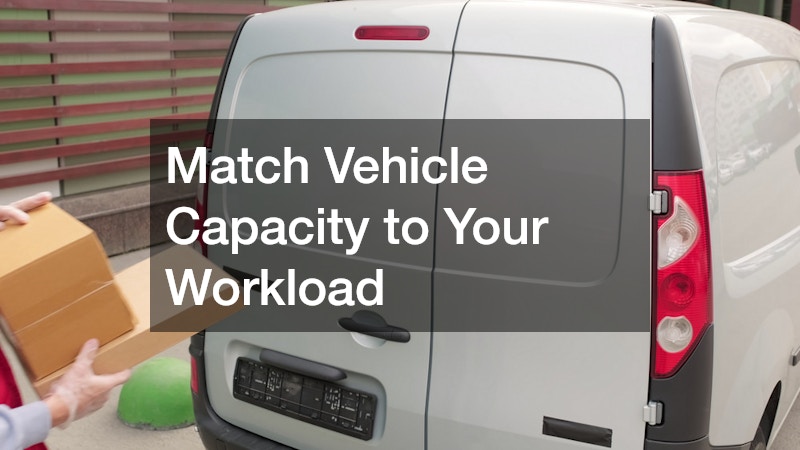
Vehicle selection should begin with a clear understanding of what each vehicle needs to accomplish. Consider the weight and dimensions of typical loads, how frequently vehicles travel, the environments they encounter, and how much time drivers spend loading, unloading, or traveling between locations. Choosing based only on maximum capacity can result in vehicles that are unnecessarily large for everyday work.
For businesses evaluating Isuzu trucks, the intended application should guide the configuration. Urban deliveries may require different characteristics than construction, agricultural, or longer-distance operations. Payload capacity, body configuration, accessibility, and maneuverability can all influence productivity.
Before adding vehicles, review:
- Average and maximum payloads
- Typical daily mileage
- Common driving conditions
- Loading and unloading requirements
- Driver needs
- Parking and storage limitations
Fleet managers should also examine existing vehicle utilization. If certain vehicles are consistently overloaded while others sit unused, the solution may involve redistributing workloads rather than simply purchasing more vehicles.
The objective is to add capacity where it addresses a genuine operational gap. A vehicle that matches its assignment closely can be more useful than one selected primarily because it offers the largest available capacity.
Evaluate Technology for Specialized Equipment
Some businesses need more than conventional road vehicles. Agricultural, landscaping, construction, and other operations may depend on specialized machinery that needs to perform accurately and consistently. Technology can make some of these tasks more manageable, but the investment should be connected to a specific operational need.
For example, auto steer for tractors can support precision when machinery needs to maintain consistent paths across fields or other large working areas. Before investing in this type of technology, fleet managers should consider compatibility with existing equipment and whether operators can use the system effectively.
Important questions include:
- Does the technology work with current machinery?
- What training will operators need?
- How frequently will it be used?
- Does it improve accuracy or productivity?
- What maintenance or technical support is required?
- Can the system be transferred to replacement equipment?
Specialized technology can be particularly valuable when repetitive work makes consistency difficult. However, purchasing advanced equipment without a clear application can create unnecessary costs and training requirements.
The best investments are those that solve an identifiable problem while fitting naturally into existing workflows.
Plan Tire Replacement Around Actual Usage
Tires are essential to vehicle safety, handling, and reliability, making them an important consideration when expanding a fleet. Different vehicles can have substantially different tire requirements based on their weight, mileage, road conditions, and intended use.
A fleet operating primarily on highways may have different needs from one whose vehicles regularly travel construction sites, unpaved roads, or mixed terrain. Manufacturers’ recommendations should remain the starting point when selecting appropriate tires.
A replacement plan should track:
- Tire specifications
- Mileage
- Tread condition
- Wear patterns
- Inflation requirements
- Seasonal considerations
Planning auto tire replacement rather than waiting for an unexpected failure can make maintenance more predictable. Fleet managers can also compare wear patterns across vehicles to identify recurring problems.
Uneven or unusually rapid wear may indicate alignment, suspension, inflation, loading, or other issues. Replacing tires without addressing an underlying mechanical problem may simply result in the same issue occurring again.
When purchasing additional vehicles, consider how their tire specifications will affect inventory and servicing. Standardization can simplify fleet management when it is compatible with the vehicle’s requirements, but safety and manufacturer specifications should always take precedence.
Choose Accessories That Improve Vehicle Function
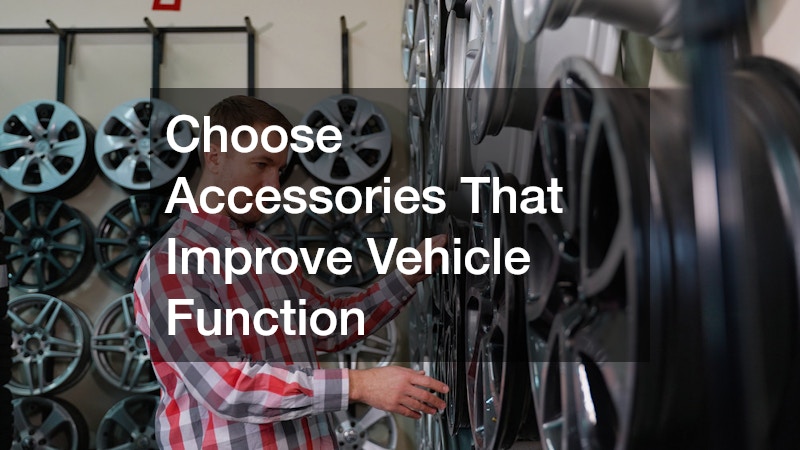
Vehicle accessories can make fleet equipment more practical, but they should be selected according to genuine operational needs. Adding unnecessary equipment can increase weight, complexity, maintenance requirements, and purchase costs without delivering a meaningful benefit.
Useful auto accessories vary according to the vehicle’s role. Storage systems may help service vehicles stay organized, while protective equipment, cargo management features, additional lighting, or towing-related equipment may support other applications.
Before adding an accessory, ask:
- What specific problem does it solve?
- How often will employees use it?
- Does it affect payload?
- Does it require professional installation?
- Could it interfere with existing equipment?
- What maintenance will it require?
Driver feedback can be especially useful. Employees who use fleet vehicles every day may identify practical improvements that are difficult to recognize from an administrative perspective.
Businesses can also establish standard accessory packages for vehicles assigned to similar roles. This can make ordering, training, maintenance, and replacement easier while still allowing specialized vehicles to receive equipment suited to their individual assignments.
Plan for Retired Vehicles and Materials
Fleet expansion often means that older vehicles will eventually be replaced. Businesses should therefore consider retirement and disposal as part of fleet planning rather than waiting until an unwanted vehicle becomes a storage problem.
Before retiring a vehicle, determine whether it can be sold, transferred, dismantled for usable parts, or sent for material recovery. Metal components may remain valuable even when the vehicle itself is no longer suitable for service.
Metal recycling services can be an option for recovering recyclable materials from qualifying vehicles and equipment. Businesses should understand applicable requirements for handling fluids, batteries, tires, and other components before arranging disposal.
A retirement checklist can include:
- Reviewing the vehicle’s condition
- Checking resale potential
- Removing business equipment
- Identifying recyclable materials
- Handling fluids appropriately
- Updating fleet records
Keeping accurate maintenance and condition records can make retirement decisions easier. Businesses can compare the cost of continued operation against the vehicle’s remaining usefulness and anticipated repair needs.
Planning also prevents replacement decisions from becoming rushed. When fleet managers know which vehicles are approaching retirement, they have more time to research suitable replacements and arrange the transition.
Address Exterior Damage Before It Spreads
Fleet vehicles can accumulate dents, scratches, and other exterior damage through regular use. Although some damage may initially appear cosmetic, certain problems can expose underlying materials to moisture or interfere with vehicle components.
A dent repair service can address appropriate exterior damage and help keep vehicles in usable condition. Prompt attention may be particularly important when damage affects doors, lighting, panels, or other components needed for normal operation.
Fleet inspections should look for:
- Newly developed dents
- Scratched or exposed surfaces
- Damaged lights
- Doors that no longer operate correctly
- Signs of corrosion
- Panels interfering with other components
A reporting system can make it easier for drivers to communicate new damage. Regular inspections can then determine whether repairs are necessary and how urgently they should be completed.
Vehicle appearance can also matter for businesses whose employees regularly visit customer locations. Clean, maintained vehicles can present a more professional image than equipment showing extensive unresolved damage.
Repair decisions should still be based on the vehicle’s overall condition. When a vehicle has substantial mechanical or structural issues, managers should compare repair costs with replacement options rather than focusing solely on its appearance.
Compare Major Component Replacement Options
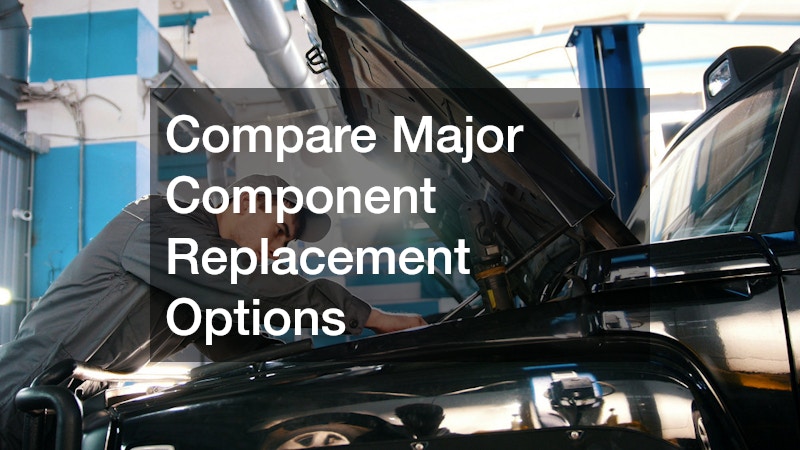
Major mechanical failures can create difficult decisions for fleet managers. Replacing an entire vehicle is not always necessary, but continuing to invest in an aging vehicle may also become uneconomical when several major systems require attention.
For compatible applications, remanufactured Cummins engines may be among the replacement options worth evaluating. Any replacement engine should be assessed according to compatibility, specifications, warranty coverage, installation requirements, and expected service needs.
When comparing options, examine:
- Vehicle age and condition
- Engine compatibility
- Warranty provisions
- Installation costs
- Expected remaining service life
- Availability of replacement parts
The broader condition of the vehicle is particularly important. A replacement engine may make sense when the chassis, transmission, electrical systems, and other major components remain in good condition.
However, if multiple expensive repairs are approaching at the same time, investing heavily in an older vehicle may provide less value than replacing it.
Fleet managers should compare total ownership implications rather than looking only at the upfront price of a component. Downtime, labor, future maintenance, and the vehicle’s remaining useful life can all affect the decision.
Account for Specialty and Recreational Vehicles
Not every fleet serves conventional commercial transportation needs. Businesses involved in marine recreation, tourism, water-based activities, or specialty services may need vehicles and equipment that work together as a larger transportation system.
A local boat manufacturer may be relevant for businesses that need vessels designed around specific operational requirements. However, acquiring the boat itself is only one part of the planning process. Tow vehicles, trailers, storage, maintenance, and launching requirements also need consideration.
Before adding specialty equipment, evaluate:
- How frequently it will be used
- Transportation requirements
- Towing capacity
- Storage arrangements
- Maintenance responsibilities
- Weather exposure
The relationship between each component matters. A vehicle must be capable of safely handling the required trailer and load, while storage and maintenance arrangements need to accommodate the equipment.
Businesses should also consider whether ownership is justified by utilization. If specialty equipment will only be used occasionally, renting or outsourcing certain activities may make more sense.
Fleet expansion should ultimately support business objectives rather than simply increase the number of assets owned. Specialized purchases should have a clear operational purpose.
Select Trailers Based on the Loads They Carry
Trailers can expand a fleet’s transportation capacity without requiring a separate powered vehicle for every type of cargo. However, the trailer must be appropriately matched to both the load and the vehicle towing it.
When working with a trailer dealership, businesses should know the type, dimensions, and approximate weight of the cargo they expect to transport. Towing capacity, braking systems, loading methods, and storage requirements should also be considered.
Before selecting a trailer, review:
- Maximum cargo weight
- Cargo dimensions
- Towing vehicle capacity
- Loading and unloading methods
- Brake requirements
- Storage space
Choosing the largest trailer available is not necessarily the most practical approach. A trailer that is unnecessarily large may be harder to maneuver, store, and maintain.
Businesses should also establish inspection procedures for tires, lights, couplings, brakes, and structural components. Regular checks can identify problems before a trailer is needed for an important job.
The right trailer should complement the existing fleet rather than creating new limitations. Matching equipment carefully can improve flexibility while avoiding unnecessary investment in capacity that rarely gets used.
Monitor Exhaust System Condition
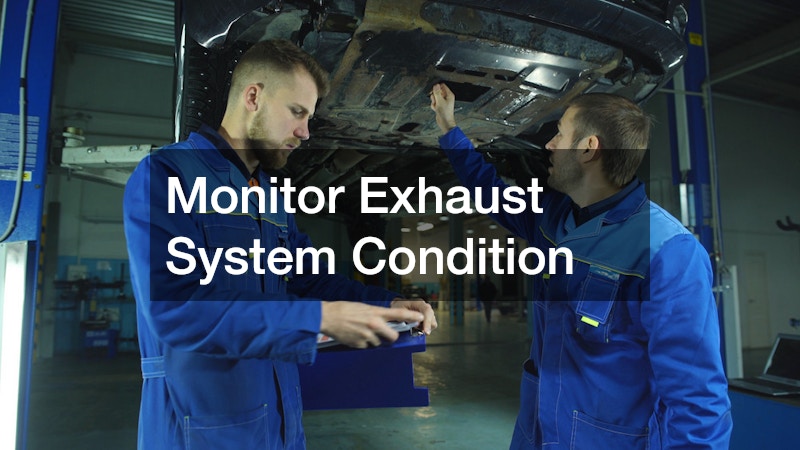
Exhaust systems are another consideration when maintaining commercial vehicles, particularly those that operate frequently or carry heavy loads. Changes in exhaust noise, visible damage, or other unusual symptoms should not simply be ignored.
A truck muffler is one component of a vehicle’s exhaust system and contributes to managing engine noise. Fleet managers should follow manufacturer maintenance recommendations and have problems evaluated when unusual sounds or visible damage appear.
Routine inspections can look for:
- Corrosion
- Loose components
- Physical damage
- Unusual exhaust noise
- Changes in vehicle performance
- Other signs of exhaust system problems
Keeping maintenance records can help fleet managers identify recurring issues and determine whether certain vehicle models or operating conditions require additional attention.
Exhaust maintenance should also be considered when comparing potential additions to the fleet. Different vehicle types may have different maintenance requirements, and those requirements can affect long-term operating plans.
A comprehensive maintenance strategy helps prevent fleet expansion from becoming focused solely on purchasing. New vehicles still need scheduled servicing, inspections, repairs, and replacement components throughout their working lives.
A successful fleet expansion starts with understanding what the business needs from its vehicles and equipment. Capacity, technology, maintenance, repairs, and replacement needs all affect long-term value. Planning for vehicle retirement also helps avoid rushed decisions. By evaluating each addition based on actual workloads and future needs, businesses can build a manageable fleet that supports growth and operational flexibility.