For car enthusiasts, daily commuters, and property owners alike, a vehicle is far more than a simple tool for transportation; it is a massive financial investment and a vital component of daily life. While we invest heavily in advanced vehicle alarms, GPS tracking devices, and premium insurance policies, the primary shield protecting our vehicles from theft, vandalism, and environmental hazards is often the most overlooked: the residential garage. A garage should act as an unshakeable fortress, a secure boundary that keeps your automotive assets insulated from bad actors and harsh weather elements.
Unfortunately, standard configurations often rely on outdated manual locks, structural components that degrade over time, and highly vulnerable radio-frequency entry systems. Securing this critical space requires a holistic approach that seamlessly blends rugged physical hardware with cutting-edge smart technology. This comprehensive manual provides a detailed blueprint to help you analyze your current structural perimeter, upgrade your mechanical entry systems, integrate modern cloud-based monitoring technology, and permanently protect your prized vehicles.
1. Auditing the Physical Entry Perimeter and Mechanical Structural Limits
Inspecting Torsion Springs and Validating Structural Tracking Alignment
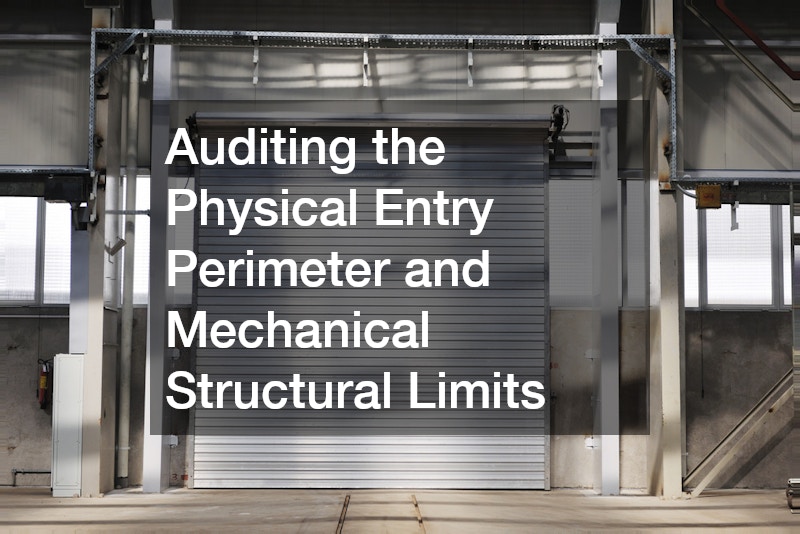
The transformation of a standard storage area into an elite automotive sanctuary must begin with a complete, systematic audit of your existing physical framework. No amount of advanced smart technology can secure a structure that is failing mechanically. A warped track, frayed steel cables, or worn-out rollers place immense physical stress on your entry system, causing microscopic gaps to form where intruders can slip mechanical pry tools.
When beginning your structural audit, give close attention to the structural integrity of your primary overhead boundary. A heavy, insulated rolling barrier functions as your first line of architectural defense. If your current panel setup features cracked wood or thin, single-layer aluminum sheeting, it can easily be cut through or buckled by a motivated thief. Upgrading to a modern, multi-layer steel system backed by heavy-duty tracking hardware instantly hardens your home’s exterior perimeter.
-
Audit the Torsion Spring Balance: Disengage the automated system and manually lift your garage door halfway; if it snaps shut or shoots upward rapidly, the springs are improperly tensioned and require urgent calibration.
-
Inspect the Vertical Tracking Network: Use a magnetic bubble level to verify that your steel side tracks are perfectly vertical, preventing mechanical binds that leave the entry partially open.
2. Hardening Electronic Access Points with Advanced Opener Technologies
Transitioning to Rolling Code Software and Implementing Automated Locking Deadbolts
Once your structural framework is completely sound, your next priority is securing the digital entry point. Older automated entry systems rely on fixed dip-switch radio frequencies that broadcast the same code every time you press your remote control button. Tech-savvy car thieves can easily intercept these signals from the street using cheap code-grabbing devices, letting them mirror your remote and open your house effortlessly while you are fast asleep.
To permanently shut down this digital vulnerability, you must upgrade to an advanced smart motor configuration. Modern, high-security garage door opener units utilize Rolling Code Technology, which automatically alters the encryption code out of billions of possibilities every single time the system is cycled. Furthermore, top-tier modern openers sync with heavy-duty automated side-lock deadbolts that physically drive a solid steel bar directly through your track whenever the door closes, completely blocking any manual lifting attempts.
-
Mandate the Use of Rolling Code Frequencies: Select smart opener systems featuring Security+ 2.0 or equivalent encryption algorithms to block data-sniffing and signal-grabbing attacks.
-
Install a Track-Mounted Automated Deadbolt: Pair your new smart motor with a companion electronic lock that automatically fires a steel deadbolt into the tracking rail upon full closure.
3. Designing a Safe External Approach and Multi-Vehicle Access Strategy

Constructing Seamless Foundational Transitions and Optimizing Auxiliary Fleet Entry
Securing your vehicle sanctuary requires looking past the physical walls of the structure; you must also carefully engineer the external approach zone. The pathway leading up to your entry portal must provide a stable, level surface that allows tires to transition smoothly without placing uneven pressure on the lower weather gaskets. Potholes, shifting soils, and cracked asphalt can cause severe alignment issues over time, preventing your automated deadbolts from locking smoothly.
If you are expanding your property to accommodate an extended automotive collection, coordinate your structural upgrades with custom driveway paving projects. A professionally poured concrete or asphalt approach ensures that your structural seals seat perfectly flush against the floor. Furthermore, managing the exterior terrain properly ensures you can park auxiliary personal transit tools, customized lifestyle setups, or weekend golf carts safely on a stable grade before moving them inside your secure bays.
-
Utilize Industrial-Grade Reinforced Concrete Approaches: Pour a thick, steel-mesh reinforced pad directly beneath the entry zone to prevent soil settling from warping your bottom seal tolerances.
-
Set Up Geofenced Automated Entry Triggers: Connect your smart opener to your vehicle’s onboard media center or phone via Apple CarPlay or Android Auto, opening the secure gate only when your exact encrypted GPS coordinates cross the home perimeter.
4. Protecting High-Value Transportation Assets and Fleet Operations
Organizing Safe Temporary Off-Site Infrastructure and Managing Large Mobile Spaces
For homeowners who love long-distance road travel or coordinate commercial transport services, managing the security of oversized recreational vehicles presents a unique logistical challenge. These large, high-value assets are highly visible targets for thieves and often feature entry locks that are far easier to pick than standard house doors. If your permanent home garage isn’t tall enough to fit an oversized coach, you must take extra precautions to secure your perimeter property lines.
When managing short-term travel assets or returning high-value RV rentals to fleet centers, always avoid parking these large vehicles directly on the street where they block lines of sight and are vulnerable to side-swipe damage. Instead, park your large vehicle assets on a designated, secure side pad outfitted with motion-activated security cameras and heavy-duty wheel boots. Integrating these auxiliary vehicle zones with your home’s central smart monitoring hub ensures your entire collection stays fully protected.
-
Install High-Limit Commercial Security Lighting: Position bright, motion-activated LED floodlights high on your rooflines to fully illuminate parking areas for oversized transport vehicles.
-
Deploy Heavy-Duty Mechanical Wheel Boot Locks: Secure any high-value vehicle left outside with a bright yellow steel wheel boot, physically preventing thieves from driving or towing your property away.
5. Defensive Safety Training and Emergency Access Infrastructure
Completing Professional Risk Avoidance Formations and Sourcing Encrypted Backup Solutions
A truly robust security plan balances hardware upgrades with disciplined behavioral habits. The finest smart security technology in the world can be completely bypassed if a family member accidentally leaves a physical remote clipped to an unlocked car visor out on the driveway, giving thieves a literal key to your home. Educating your family about security habits is a critical step in building a safe home environment.
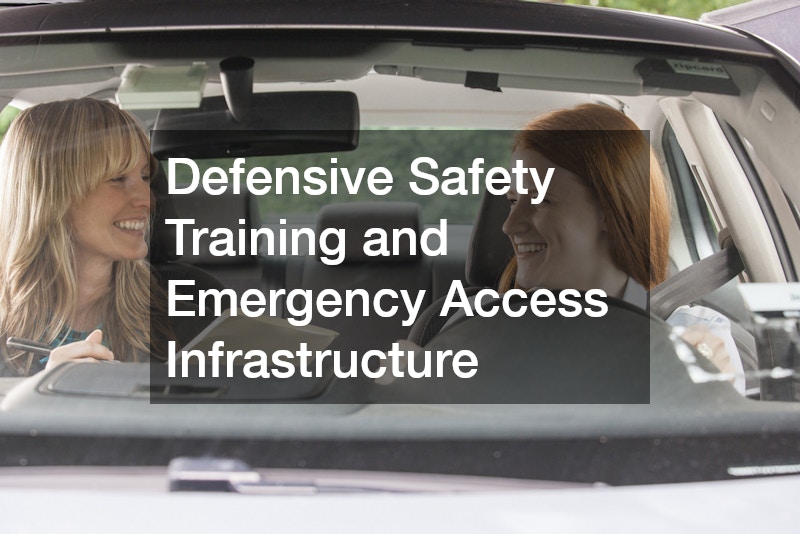
To build an unshakeable culture of safety around your property, family members can participate in professional defensive driving courses that emphasize situational awareness, vehicle tracking prevention, and home-arrival security strategies. Additionally, you should throw out insecure, legacy exterior clickers and partner with a licensed automotive car locksmith to program encrypted, pin-code digital keypads onto your home’s exterior wall studs. These professional security habits ensure your entry gates remain tightly locked against outside threats.
-
Never Leave Physical Remotes in Outdoor Vehicles: Always remove standard clickers from your visor if your car is parked in the driveway; treat that remote like a physical front door key.
-
Enforce the Use of Biometric or Multi-Factor Keypads: Install an encrypted wireless keypad on your exterior brick mold that requires an authorized fingerprint or a rolling pin code to open the gate.
6. Managing Climate Resilience and Preventing Environmental Fluid Infiltration
Installing Subsurface Drainage Channels and Hardening Threshold Seals
An elite garage makeover must protect your valuable vehicles from environmental damage just as effectively as it protects them from human intruders. Corrosive moisture, stagnant humidity, and unexpected storm runoff can slowly destroy raw metal body panels, cause electrical short circuits in classic car wiring, and ruin fine interior leathers. A secure garage must be fully sealed against weather elements.
If your property sits at the bottom of a sloped driveway or is vulnerable to heavy seasonal storms, implementing advanced water diversion strategies is essential. Left unaddressed, poor drainage can lead to severe foundation cracking and extensive water damage to your interior tool chests and vehicle undercarriages. Installing industrial-grade threshold dams, combined with regular trench cleanouts and professional floor coatings, permanently insulates your vehicle oasis from moisture issues.
-
Install a High-Performance Commercial Trench Drain: Cut a wide drainage trench directly in front of your entry threshold to catch and divert heavy storm runoff away from your interior floor space.
-
Apply an Industrial Polyurea Floor Coating: Seal your bare concrete floor with a non-porous polyurea or epoxy finish to prevent road salts and engine oil leaks from eating away at your foundation.
7. Maximizing Structural Maintenance and Cleaning Protocols

Removing Corrosive Oil Contaminants and Preserving Moving Track Components
Maintaining a secure and beautiful vehicle bay requires consistent mechanical care and regular deep cleaning. Over months of regular use, vehicles naturally track in road salts, abrasive grease, and thick mud that builds up in tracking grooves and wears down your rollers. If this debris isn’t cleaned out regularly, it can cause your automated opener to struggle, trigger safety sensors falsely, and shorten the lifespan of your equipment.
To keep your mechanical systems running smoothly and safely, schedule a regular deep-cleaning day for your entire garage area. Utilizing professional power washing gear allows you to blast away hardened road grime, corrosive salts, and oil spots from your driveway and garage entrance, preventing those contaminants from getting tracked inside. Keeping your exterior concrete clean and free of slick oils ensures your vehicles always have maximum traction and protects your mechanical tracking from premature wear.
-
Blast Away Salt Accumulations Annually: Use a high-pressure washer to thoroughly scrub your driveway approach every spring, neutralizing corrosive winter road salts before they damage your vehicles.
-
Meticulously Clean Safety Reversing Sensors: Wipe down your lower electronic photo-eye sensors with a soft microfiber cloth to prevent dust and dirt from triggering system reversals.
8. Navigating Complex Powertrain Upgrades and Specialized Mechanical Overhauls
Executing Comprehensive Diagnostic Maintenance and Coordinating High-Tech Component Care
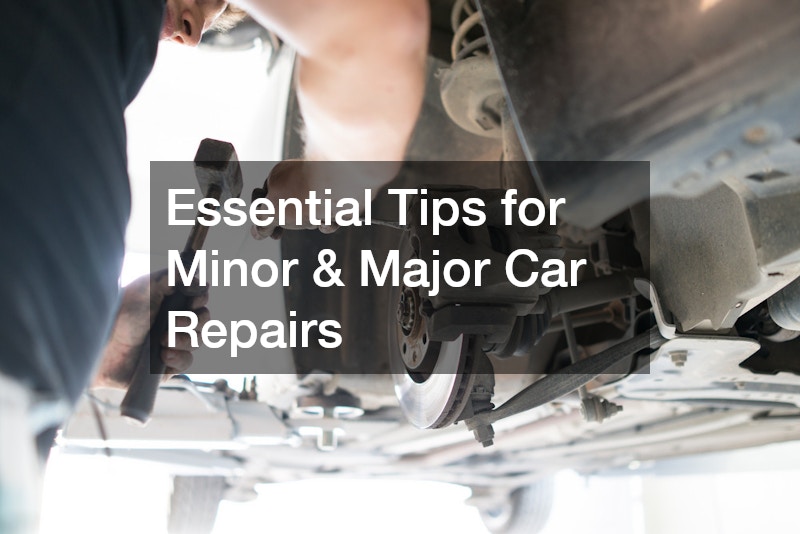
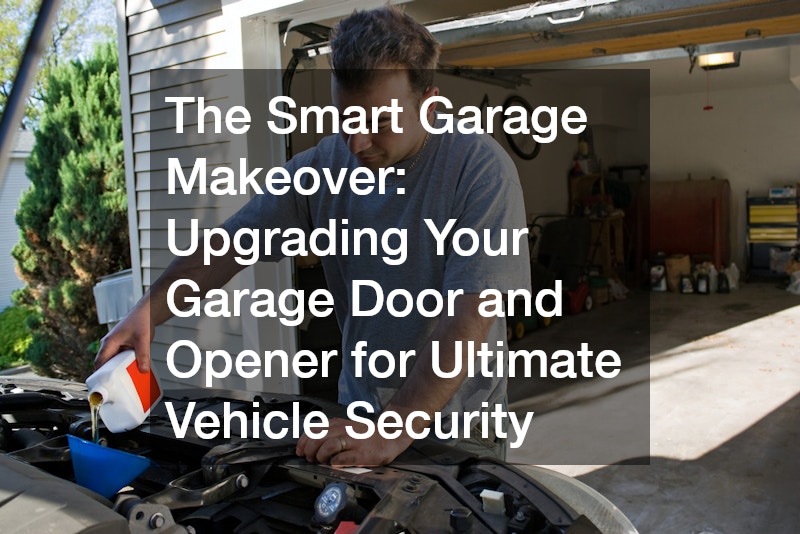
A smart garage configuration provides the perfect cleanroom environment to execute advanced automotive work, routine oil changes, and comprehensive mechanical overhauls. Modern high-performance vehicles and tech-heavy daily drivers rely on incredibly delicate electronic sensors and highly complex computer networks. Working on these advanced systems requires an environment free of dust, stable power delivery, and excellent lighting.
When managing intensive diagnostic tracking or major automotive repairs inside your personal garage workshop, ensure your workspace is fully equipped to handle electronic tasks safely. Installing heavy-duty power surges, dedicated bright task lighting, and proper ventilation systems protects both your personal safety and your vehicle’s sensitive computers. A clean, well-organized home workshop allows you to tackle advanced maintenance tasks with absolute professional precision.
-
Install Dedicated, Clean-Power Diagnostic Circuits: Run a fully isolated electrical sub-panel to your workbench to provide stable power for sensitive vehicle scanning tools and computer tuning systems.
-
Deploy High-Output Overhead LED Shop Lighting: Mount bright, daylight-balanced LED panels directly over your main vehicle lift area to eliminate dark shadows and let you inspect small parts clearly.
Transforming a standard residential garage into a high-security smart fortress is one of the smartest upgrades you can make to protect your vehicles, preserve your tools, and secure your entire home. By moving away from outdated manual systems and embracing a modern, automated approach, such as upgrading to high-strength multi-layer steel doors, installing rolling-code smart openers with automated deadbolts, keeping your driveway transitions level, and sealing out water hazards, you build a powerful shield around your valuable automotive investments. A modern smart garage does far more than just open and close with a click; it provides real-time monitoring, absolute safety compliance, and unshakeable peace of mind around the clock.
Ultimately, long-term success relies on your commitment to maintaining professional standards across your entire property. Partnering with certified technical installers, professional paving specialists, and elite structural customization teams removes the daily stress and uncertainty from home security. Commit to absolute mechanical precision, prioritize an unshakeable culture of clean space and safety compliance, and deploy organized smart cleaning frameworks; by doing so, you will ensure your smart garage remains fully optimized, secure against outside threats, and ready to protect your automotive assets for decades to come.