The allure of foreign engineering is undeniable. Whether it is the hair-raising exhaust note of an Italian sports car, the vault-like solidity of a German luxury sedan, or the quirky, high-revving efficiency of a Japanese import, these vehicles are built differently. They are designed for drivers who view a car not merely as an appliance to get from point A to point B, but as an extension of mechanical art and human capability. Overseas manufacturers often push the envelope of technology, implementing advanced multi-link suspensions, high-compression power plants, and intricate electrical networks years before they trickle down into mass-market domestic vehicles.
1. Why Precision Maintenance Dictates the Lifespan of High-Compression Engines
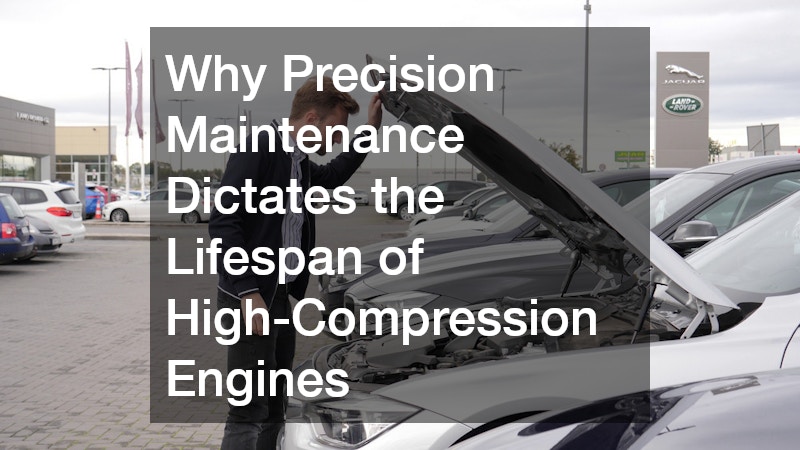
Foreign powertrains, particularly those coming out of European design houses, are engineering marvels that operate under extreme internal stress. To extract maximum horsepower and torque from relatively small displacements, manufacturers rely on high compression ratios, advanced variable valve timing, and sophisticated turbocharging systems. While this results in an exhilarating throttle response, it also creates an incredibly volatile environment inside the combustion chamber.
When it is time for an oil change, you must ensure that the technician uses synthetic fluids that carry the exact manufacturer approval code, such as BMW Longlife, Mercedes-Benz Approval, or VW/Audi spec. This is not a marketing gimmick; these specifications guarantee that the oil contains the precise additive package required to protect specialized bearing materials and resist shear under high heat. Furthermore, you should never base your service intervals solely on mileage. Short commutes, stop-and-go traffic, and seasonal temperature swings all accelerate fluid degradation. Changing your fluids based on time or severe-duty schedules rather than waiting for the maximum mileage limit is the ultimate insurance policy for a high-performance engine.
2. Navigating Complex System Diagnostics Beyond Dashboard Warning Lights
Modern foreign cars are essentially rolling supercomputers. They feature dozens of interconnected Electronic Control Units (ECUs) that constantly communicate over complex data networks. In this environment, a malfunction in one subsystem can trigger a domino effect across seemingly unrelated components. For example, a minor voltage drop in a wheel speed sensor can cause the vehicle to simultaneously disable the anti-lock braking system, deactivate the cruise control, alter the transmission shifting logic, and reduce engine power output to protect the drivetrain.
True automotive troubleshooting requires an analytical approach and factory-grade software that can communicate with every proprietary module inside the vehicle. When your car exhibits unusual behavior, jumping to conclusions or throwing random parts at the problem will only drain your wallet. Instead, a successful car repair hinges on executing a systematic diagnostic protocol. Technicians must check for technical service bulletins, inspect wiring harnesses for resistance, and perform bidirectional component testing to isolate the root cause. Proactively addressing minor electronic glitches or sensor anomalies before they cascade prevents minor bugs from turning into major, immobilizing mechanical headaches.
3. Understanding the Nuances of Factory-Level Diagnostics and Brand Heritage
The philosophy guiding European automotive design is fundamentally different from that of domestic or standard Asian manufacturers. Continental engineers place a massive premium on driving dynamics, structural rigidity, and high-speed stability, which often results in incredibly complex mechanical architectures. Multi-link aluminum suspensions, active anti-roll bars, and pressurized, closed-loop cooling systems are standard fare.
Because of these intricacies, trusting your vehicle to a general garage can lead to stripped threads, broken plastic clips, and improperly calibrated components. Seeking out specialized european auto repair facilities ensures that the individuals working on your vehicle possess the specialized scan tools, factory shop manuals, and model-specific training required to perform work correctly. These specialists understand the exact sequence required to reassemble an aluminum subframe or reset an adaptive air suspension system, preserving the precise driving dynamics that the factory engineers intended.
4. Addressing the Specific Technical Nuances of High-Performance Bavarian Engineering

Among overseas manufacturers, certain brands stand out for their uncompromising commitment to performance and driver engagement. Vehicles engineered in Bavaria are renowned for their near-perfect front-to-rear weight distribution, sharp steering, and smooth, inline power delivery. To achieve this level of balance, these vehicles utilize highly sophisticated technologies, such as valveless throttle systems that control engine speed entirely through variable intake valve lift, and advanced all-wheel-drive systems that shift torque between wheels in milliseconds.
To keep these precision machines operating safely, owners must stay ahead of known weak points. If you own one of these vehicles, proactive replacement of the water pump, expansion tank, and coolant hoses every sixty to eighty thousand miles is highly recommended. When managing a complex bmw repair, using anything less than original equipment manufacturer parts can result in component rejection by the car’s sensitive electronic monitoring systems. Staying on top of specialized oil filter housing gasket leaks, vanos solenoid cleanings, and battery registrations—which require telling the alternator how to charge a new battery type—is the only way to ensure your vehicle remains the ultimate driving machine.
5. How to Navigate the Complexities of Global Supply Chains and Specialty Technicians
One of the most frustrating aspects of foreign car ownership can be the procurement of components. Because these vehicles are assembled overseas, their replacement parts must navigate international supply chains, customs regulations, and specialized distribution networks. This often leads to a massive discrepancy in the quality and availability of parts found in the marketplace. The temptation to buy cheap, generic aftermarket components online is highly prevalent, but it is a gamble that rarely pays off for foreign car owners.
To maintain the safety and reliability of your vehicle, you must prioritize original equipment manufacturer or original equipment supplier components. Navigating these options requires partnering with a facility that specializes in import auto repairs. These dedicated centers have established relationships with global parts distributors, allowing them to source authentic components quickly and accurately. They understand which aftermarket brands are trusted suppliers to the factory and which ones should be avoided at all costs, ensuring that every component bolted onto your car meets or exceeds the original design specifications.
6. Optimizing Exhaust Backpressure and Tuning for Peak Efficiency
The exhaust system of a foreign vehicle is far more than a collection of metal pipes designed to route spent gases away from the cabin. It is a carefully tuned acoustic and pneumatic instrument. Engineers spend thousands of hours balancing exhaust gas velocity, acoustic resonance, and backpressure to optimize the engine’s volumetric efficiency. Proper backpressure is absolutely critical for maintaining low-end torque, while high gas velocity is essential for maximizing top-end horsepower. Furthermore, foreign vehicles must comply with incredibly strict global emissions standards, requiring complex catalytic converters, particulate filters, and oxygen sensing arrays.
When an exhaust leak develops, it does not just create an unpleasant noise; it can actively harm engine performance. A leak upstream of the primary oxygen sensors can allow fresh air to enter the exhaust stream, tricking the engine computer into thinking the combustion mixture is running lean. The computer will then dump excess fuel into the cylinders, killing your fuel economy and potentially washing out the cylinder walls with unburnt gas. Regularly inspecting your car exhaust for signs of soot trailing, fractured brackets, or rusted flanges is vital. If a replacement or upgrade is necessary, opting for a mandrel-bent system made from high-grade stainless steel ensures that exhaust scavenging remains optimal and the vehicle maintains its signature exhaust note without triggering check engine lights.
7. Restoring Structural Security and Optical Clarity to Your Greenhouse Area

The glass surfaces of a modern vehicle, often referred to as the greenhouse area, do far more than keep the wind and rain out of your face. In modern foreign vehicles, the windshield is a highly stressed structural component that contributes significantly to the structural rigidity of the roof. In the event of a rollover accident, the windshield prevents the roof from collapsing inward. Furthermore, the glass serves as the mounting platform and optical lens for a multitude of Advanced Driver Assistance Systems (ADAS), including lane-keep assist cameras, rain sensors, automatic wiper triggers, and heads-up display reflectors.
Ignoring a cracked windshield is a severe safety hazard that can compromise your vehicle’s defensive safety systems. Seeking a professional car window replacement as soon as damage occurs is essential. This process involves completely removing the compromised glass, prepping the pinch weld to prevent future rust, and using high-modulus structural adhesives to bond the new glass to the frame. Crucially, once the new glass is installed, the technician must perform a static or dynamic calibration of the forward-facing cameras to ensure that the safety systems are seeing the road accurately, restoring your car’s factory safety ratings.
8. Defending Intricate Leather and Infotainment Electronics From Solar Degradation
While mechanical health keeps the car moving, the interior environment dictates how much you enjoy the journey. Foreign luxury cars are famous for their opulent cabins, featuring supple leather seating, real wood or carbon fiber trim, and massive, high-resolution infotainment displays. While these materials look and feel magnificent when new, they are highly vulnerable to the destructive effects of the sun. Ultraviolet (UV) radiation and infrared (IR) heat can wreak havoc on an unprotected cabin over time.
To shield your cabin from this silent destroyer, investing in premium solar protection is one of the smartest cosmetic upgrades you can make. Applying high-performance auto glass tinting utilizing ceramic or carbon-infused technology creates an invisible thermal barrier. Unlike cheap, dyed window films that merely turn the glass purple and offer no thermal protection, ceramic tints filter out over ninety-nine percent of harmful UV rays and reject a massive percentage of infrared heat. This drastically lowers the interior temperature of the cabin on hot days, reducing the strain on your air conditioning system and ensuring that your leather, wood trim, and dashboard electronics remain pristine for decades.
9. The Modern Approach to Shielding Factory Clear Coats From Environmental Abuse
The exterior paint of an imported vehicle is often one of its defining characteristics. Manufacturers use deep, multi-stage painting processes to achieve incredible depth, metallic flake brilliance, and a mirror-like shine. However, modern environmental regulations have forced global automakers to transition away from traditional solvent-based paints to water-borne paint systems. While these modern paints are far better for the environment, they are inherently softer and more susceptible to physical and chemical damage than older paint formulations.
Traditional automotive waxes offer very little protection against these modern hazards, as they melt away under summer heat within a matter of weeks. The modern standard for paint preservation is the application of a high-grade ceramic coating. This is a liquid polymer that chemically bonds with your vehicle’s factory clear coat on a molecular level. Once cured, it transforms into an incredibly hard, hydrophobic glass layer that cannot be washed off. This sacrificial barrier shrugs off chemical attacks from bird droppings, provides excellent UV resistance to prevent fading, and creates a surface so slick that dirt and mud struggle to cling to it, making routine washing incredibly easy while preserving that deep, showroom shine.
10. Advanced Paint Restoration Techniques for Matching Factory Textures
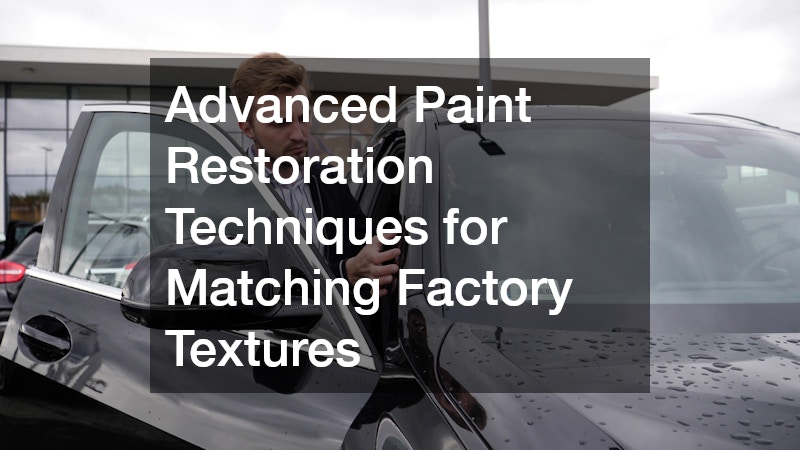
Despite your best efforts at prevention, accidents happen. A runaway shopping cart in a parking lot, a misplaced garage door, or minor road debris can easily gouge through your vehicle’s clear coat and damage the underlying color coat. When this happens, you cannot simply grab a generic bottle of touch-up paint from a local store and expect a flawless result. Matching the paint on a high-end foreign vehicle is an incredibly complex science that requires a master craftsman’s eye and specialized equipment.
Restoring a damaged panel to factory standards requires a multi-step paint correction and refinishing process. When handling a delicate car painting project, technicians must use a computerized spectrophotometer to analyze the exact variance of the paint on the surrounding panels, accounting for any natural fading that has occurred over time. The paint must be mixed precisely, applied using specialized high-volume, low-pressure spray guns inside a climate-controlled, down-draft baking booth, and then meticulously wet-sanded and polished to match the exact factory texture. This level of precision ensures that the repair is completely invisible, maintaining the flawless aesthetic continuity of your vehicle.
Owning a premium foreign vehicle is a rewarding experience that offers an unmatched blend of engineering prowess, driving dynamics, and aesthetic prestige. However, enjoying these benefits over the long term requires moving past a reactive maintenance mindset and embracing a holistic philosophy of total care. Every aspect of the vehicle, from the chemical composition of the motor oil to the molecular bond of the paint protection, is interconnected. When you treat automotive maintenance as an investment rather than an inconvenience, your vehicle will reward you with unwavering reliability and exhilarating performance. By partnering with specialized professionals who respect the heritage and complexity of your import, and by refusing to cut corners on parts or preservation techniques, you ensure that your machine continues to perform and look exactly as the factory engineers intended. Turn your routine ownership into a passion for preservation, and your foreign car will stand the test of time, delivering smiles with every mile and maintaining its luster for years to come.