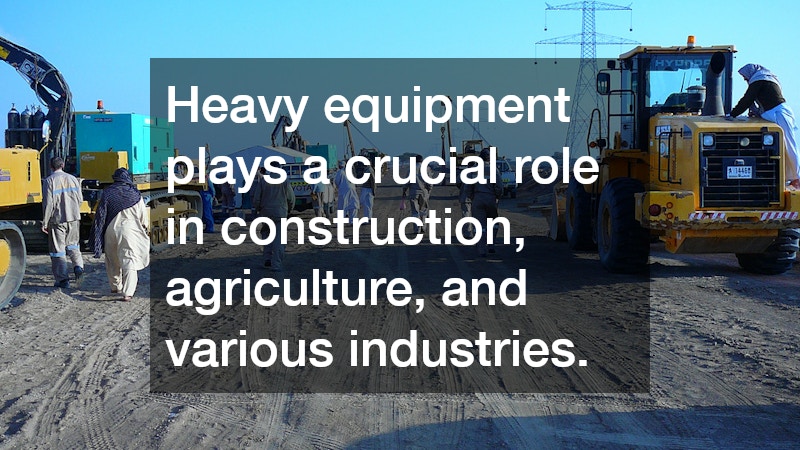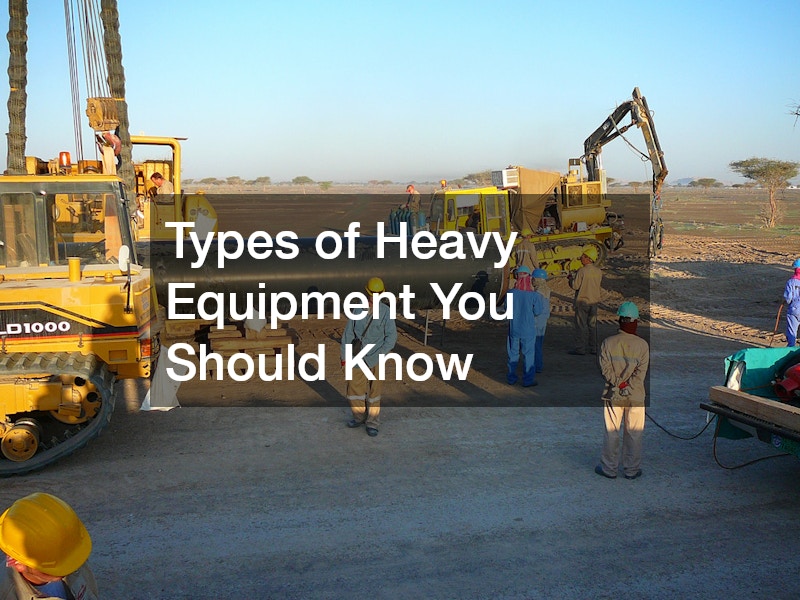
Heavy construction equipment plays a crucial role in various industries. Having a firm understanding of the different types available can help in selecting the right machinery for specific tasks, leading to increased productivity and efficiency.
What Are the Most Common Types of Heavy Equipment?
Excavators
Excavators are versatile machines and are primarily used for digging and material handling tasks, making them indispensable in construction and mining industries. Their ability to rotate 360 degrees and support various attachments enhances their functionality for different project requirements.
The versatility of an excavator allows it to perform a wide range of functions, from digging trenches to demolition tasks. This adaptability helps contractors execute projects more efficiently without needing separate machinery for each task.
Modern excavators are equipped with advanced technology, such as GPS systems, to enhance precision in operations. Such technological advancements allow for more accurate and efficient project execution, reducing human error and maximizing productivity.
Bulldozers
Bulldozers are fundamental machines in construction projects, renowned for their powerful pushing ability and durability. Equipped with a large, flat blade, bulldozers efficiently move soil, sand, and debris, making them indispensable for site preparation and landfill tasks.
A bulldozer’s design allows it to operate on varied terrains, offering stability and control in diverse environmental conditions. Their robust build makes them ideal for challenging tasks, from road building to clearing land in forestry projects.
Equipped with advanced features like GPS and automated controls, bulldozers have improved in efficiency and user-friendliness. These advancements not only enhance productivity but also ensure safety and precision in heavy-duty operations.
How Do You Choose the Right Heavy Equipment for Your Project?
Assessing Project Requirements
Determining the appropriate heavy equipment starts with a comprehensive analysis of the project’s demands and objectives. By evaluating the specific tasks, duration, and environmental conditions involved, project managers can identify the precise machinery needed.
This assessment ensures that equipment selection aligns with project needs, avoiding underutilization or overinvestment in heavy machinery. Having the right equipment can significantly affect overall productivity and the successful completion of the project.
Collaborating with equipment specialists can provide valuable insights into choosing machinery that best fits project requirements. These insights help project leaders make informed decisions to optimize resources and budget allocations.
Considering Equipment Features
Understanding the features and capabilities of various machinery is essential to align them with your project’s demands. Equipment with advanced features like automated controls and GPS technology can enhance precision and efficiency in operations.
Choosing heavy equipment based on features that match project goals ensures that work is carried out accurately and efficiently. Factoring in the latest technological upgrades can also offer competitive advantages in executing complex tasks.
Researching and understanding different models and their specifications can guide in selecting equipment with the most beneficial functionalities. This informed selection process not only supports smoother operations but also potentially reduces operational costs.
What Are the Safety Considerations When Operating Heavy Equipment?
Operator Training
Properly trained operators are crucial to ensuring safety and efficiency during heavy equipment operations. Training not only reduces the risk of accidents but also increases the operator’s ability to handle machinery effectively, thus enhancing productivity.
Comprehensive training programs cover equipment controls, safety procedures, and emergency response, equipping operators with essential skills. Such initiatives are fundamental to fostering a safe working environment and minimizing operational hazards.
Ongoing training and certification updates ensure that operators remain knowledgeable about the latest safety protocols and technological advancements in equipment. Adhering to these practices is key to successful and secure heavy equipment management.
Regular Equipment Maintenance
Routine maintenance of heavy equipment is vital for sustaining their operational efficiency and safety. Regular inspections help identify potential issues early, preventing severe breakdowns and costly repairs.
Implementing a structured maintenance schedule ensures equipment longevity and reliability, contributing to seamless project delivery. Predictive maintenance techniques, facilitated by technology, further optimize machinery performance and minimize downtime.
Documenting maintenance activities and repairs provides valuable tracking of equipment condition and history. This practice supports informed decision-making about future equipment investments and enhances operational cost management strategies.
Understanding the various types of heavy equipment and how to effectively choose and operate them is essential for the success of construction and industrial projects. Proper knowledge and management can lead to safer environments and more efficient work processes.