Vehicle ownership involves more than keeping a car fueled and ready for the road. Regular maintenance, timely repairs, and carefully selected upgrades all contribute to vehicle reliability, safety, and performance. As vehicles age or driving needs change, owners may also encounter more specialized requirements, from addressing mechanical problems to improving functionality or exploring performance modifications.
Understanding the different aspects of automotive care makes it easier to prioritize necessary work and make informed decisions. Some improvements focus on preventing mechanical failures, while others address collision damage, improve convenience, or support specific driving goals. Professional automotive specialists can provide valuable guidance throughout these processes, particularly when repairs or modifications require specialized knowledge.
Establish a Consistent Maintenance Routine to Prevent Costly Problems
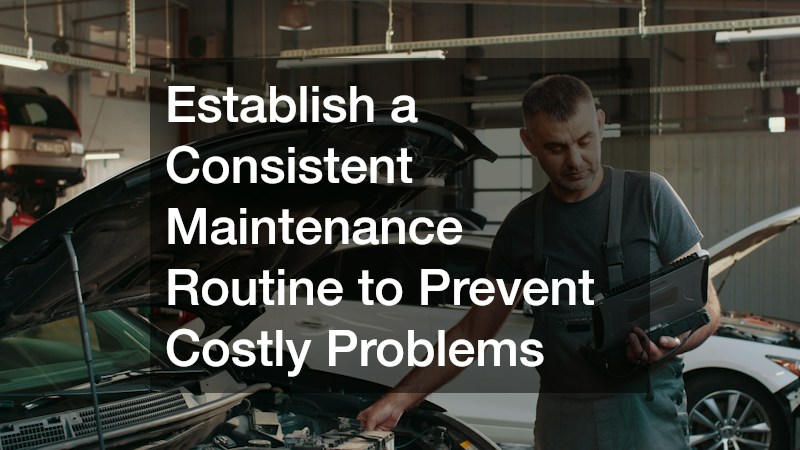
Preventative maintenance is one of the most important parts of vehicle ownership. Following a consistent service schedule helps identify developing problems before they interfere with performance or lead to more extensive repairs. Maintenance requirements vary depending on the vehicle, mileage, age, and driving conditions, so owners should consult their manufacturer’s recommendations.
Professional car mechanic services can help drivers monitor essential components and recognize problems that may not be immediately noticeable. Regular inspections also provide opportunities to address unusual noises, warning lights, fluid leaks, and changes in handling.
Important maintenance tasks include:
-
Oil and filter changes: Follow the recommended intervals for the vehicle’s engine and operating conditions.
-
Brake inspections: Check pads, rotors, and brake fluid for signs of wear.
-
Tire maintenance: Monitor pressure, tread depth, and alignment.
-
Fluid checks: Inspect coolant, transmission fluid, and other essential fluids.
-
Battery testing: Look for corrosion, starting difficulties, and electrical problems.
Keep service records showing completed work, replacement parts, and inspection findings. These records make it easier to identify recurring concerns and plan upcoming maintenance. A consistent approach helps owners avoid neglecting small issues that could eventually affect vehicle reliability.
Choose Specialized Maintenance Based on Your Vehicle’s Needs
Different vehicle manufacturers use distinct engine configurations, components, and maintenance specifications. Selecting a repair provider familiar with your vehicle’s make can make diagnosing problems and planning maintenance more straightforward.
For Honda owners, honda repair services may include routine inspections, engine diagnostics, brake maintenance, suspension work, and electrical troubleshooting. The appropriate services depend on the specific model, mileage, and condition of the vehicle.
When evaluating a repair facility, consider whether technicians have experience working with your vehicle and understand its maintenance requirements. Familiarity with manufacturer specifications and diagnostic equipment can be particularly valuable when investigating complicated problems.
Before scheduling service, consider these points:
-
Ask whether technicians regularly work on your vehicle’s make and model.
-
Explain any unusual sounds, warning lights, or changes in performance.
-
Request an explanation of recommended repairs and their urgency.
-
Review the estimate before authorizing additional work.
-
Keep documentation of completed maintenance and replaced components.
Vehicle-specific knowledge is especially useful when symptoms could have several possible causes. Rather than replacing parts based on assumptions, a qualified technician can investigate the underlying issue and recommend an appropriate repair strategy.
Recognize Mechanical Warning Signs Before They Become Major Repairs
Mechanical problems often produce noticeable symptoms before a component stops functioning completely. Paying attention to changes in acceleration, shifting, noise, or vehicle response can help drivers recognize when professional attention is necessary.
Transmission repairs, in particular, can involve complicated mechanical and electronic systems. Ignoring early warning signs may allow an existing problem to affect additional components.
Watch for symptoms such as:
-
Delayed engagement when shifting into drive or reverse.
-
Rough or unexpected gear changes.
-
Grinding, whining, or unusual mechanical noises.
-
Transmission fluid leaking beneath the vehicle.
-
Unexpected slipping or changes in acceleration.
-
Dashboard warning lights related to the drivetrain.
If these symptoms appear, document when they occur. For example, note whether shifting problems happen during cold starts, heavy acceleration, or regular driving.
Avoid continuing to operate a vehicle when transmission symptoms suggest a serious mechanical problem. A technician can inspect the system, check fluid condition where applicable, and use diagnostic equipment to investigate potential causes.
Not every shifting problem requires a complete transmission replacement. Proper diagnosis helps determine whether the issue involves fluid, electronic controls, worn components, or more extensive mechanical damage. Understanding the cause allows owners to evaluate repair options before authorizing work.
Prepare for Unexpected Roadside Problems and Vehicle Emergencies

Even well-maintained vehicles can experience unexpected breakdowns. Mechanical failures, damaged tires, overheating, and electrical problems can leave drivers stranded in situations where attempting to continue driving may create additional damage.
Knowing when to request towing services is an important part of roadside preparedness. Professional assistance may be necessary when a vehicle cannot operate safely or requires transportation to a repair facility.
Before choosing a provider, consider several factors:
-
Towing equipment: Determine whether a flatbed or wheel-lift truck is appropriate for your vehicle.
-
Vehicle compatibility: Account for all-wheel-drive systems, ground clearance, and vehicle weight.
-
Availability: Ask about operating hours and estimated arrival times.
-
Destination: Confirm where the vehicle will be transported.
-
Pricing: Request information about mileage charges, service fees, and additional costs.
Drivers should also keep emergency contact information accessible and understand what roadside assistance their insurance policy or membership provides.
If a breakdown occurs, move away from traffic when possible, activate hazard lights, and remain in a safe location while waiting for assistance. Avoid attempting roadside repairs in dangerous conditions. Preparing ahead of time can make an unexpected breakdown easier to manage.
Understand Collision Risks and Protect Yourself After an Accident
Collisions involving commercial trucks can create serious hazards for passenger vehicle occupants. Differences in vehicle size, weight, visibility, and stopping distance make defensive driving particularly important when sharing roads with large commercial vehicles.
Drivers can reduce certain risks by maintaining appropriate spacing and avoiding unpredictable movements around trucks. Useful habits include:
-
Stay out of commercial vehicle blind spots whenever possible.
-
Leave additional following distance.
-
Avoid cutting closely in front of trucks.
-
Allow sufficient room when commercial vehicles turn.
-
Use extra caution near highway entrances and construction zones.
After semi-accidents, prioritize personal safety before assessing vehicle damage. Contact emergency services when necessary, move to a safe location if possible, and exchange relevant information with the other parties involved.
Documenting the scene can also be useful. Photograph vehicle positions, visible damage, road conditions, and relevant surroundings when it is safe to do so. Obtain witness contact information when available.
Even when a vehicle appears drivable, hidden damage may affect steering, suspension, braking, or other systems. An appropriate inspection can help identify problems that are not immediately visible. Avoid assuming that minor exterior damage means the vehicle is mechanically sound.
Evaluate Exterior Damage and Choose the Appropriate Repair Method
Dents and other exterior imperfections can develop through parking lot incidents, hail, falling objects, and minor collisions. Although some damage is primarily cosmetic, the appropriate repair method depends on the location, depth, and condition of the affected panel.
Paintless dent repairs may be suitable when the original paint remains intact, and the metal can be carefully reshaped without conventional refinishing. This technique is often considered for certain door dings, shallow dents, and hail damage.
However, not every dent qualifies. Damage involving cracked paint, sharp creases, stretched metal, or compromised panel edges may require traditional bodywork.
Before selecting a repair method:
-
Ask the technician to inspect the entire damaged area.
-
Confirm whether the original paint can remain intact.
-
Request an explanation of the recommended technique.
-
Review the estimate and expected results.
-
Ask whether additional damage could be concealed beneath the visible dent.
The goal should be an appropriate repair rather than simply choosing the least expensive option. A qualified technician can explain which methods are suitable for the specific damage and whether additional work may be necessary to restore the panel’s appearance.
Develop Practical Skills for Assessing and Repairing Body Damage

Automotive body repair requires technical knowledge, patience, and an understanding of how different materials respond to pressure. Technicians must learn to evaluate damage accurately before choosing tools or attempting to reshape a panel.
Dent removal training provides opportunities for aspiring repair professionals to develop these specialized skills. Quality instruction should combine technical explanations with practical exercises that allow participants to work with different types of damage.
Important training subjects include:
-
Identifying dents that qualify for paintless repair.
-
Understanding panel construction and material characteristics.
-
Selecting appropriate tools for different repair situations.
-
Learning controlled pressure and tool positioning.
-
Recognizing when conventional bodywork is more appropriate.
When evaluating a training program, review the instructor’s professional background, course structure, and amount of hands-on practice. Access to appropriate equipment is also important because technicians need experience handling the tools used in actual repair environments.
Select Functional Upgrades That Improve Truck Utility
Truck owners often customize their vehicles to better accommodate work responsibilities, recreational activities, and everyday transportation. The right equipment can improve storage, accessibility, and cargo protection without requiring major mechanical modifications.
When shopping for truck accessories, begin by identifying how the vehicle is used most frequently. A truck used for transporting tools may require different equipment than one primarily used for camping or hauling recreational gear.
Common options include:
-
Bed covers: Help protect cargo from weather and unwanted access.
-
Toolboxes: Provide organized storage for equipment and supplies.
-
Bed liners: Help protect the cargo area from scratches and impact damage.
-
Running boards: Make entering and exiting the cabin easier.
-
Towing equipment: Supports compatible trailers and hauling applications.
Also consider how added weight or exterior modifications might influence handling, visibility, and fuel consumption. Accessories should serve a practical purpose rather than introduce unnecessary complications. Selecting equipment based on actual driving and work requirements can make a truck more functional while preserving its everyday usability.
Plan Engine Upgrades Around Compatibility and Performance Goals
Engine replacement projects can appeal to vehicle owners restoring older models, addressing major engine failures, or pursuing different performance characteristics. However, a successful conversion involves considerably more than selecting an engine that fits within the available space.
Owners researching engine swap packages Ecotec should first investigate whether the components are compatible with their intended vehicle platform. The engine, supporting systems, and electronic controls must work together for the conversion to function properly.
Important considerations include:
-
Mounting requirements: Determine whether engine mounts or structural modifications are necessary.
-
Electrical compatibility: Review wiring harnesses, sensors, and engine control systems.
-
Cooling requirements: Evaluate radiator capacity and cooling system connections.
-
Fuel delivery: Confirm that the existing fuel system supports the replacement engine.
-
Drivetrain compatibility: Assess transmission connections and related components.
-
Legal requirements: Review applicable emissions and inspection regulations.
A complete parts list and installation plan can help prevent unexpected complications after purchasing an engine package.
Consulting an experienced conversion specialist before making a purchase is particularly valuable. They can help identify compatibility concerns, explain additional components that may be required, and assess whether the proposed project aligns with the owner’s performance goals and budget.
Work With Performance Specialists to Refine Your Vehicle

Once a vehicle is mechanically sound, owners may consider modifications that improve responsiveness, handling, braking, or overall driving characteristics. Performance upgrades should support a specific goal rather than involve unrelated modifications that may not work well together.
Speed shops can provide access to specialized components, installation services, and technical guidance for automotive enthusiasts. Their experience can be useful when selecting modifications that need to function as part of a coordinated system.
Before pursuing upgrades, identify the improvements that matter most. Common areas include:
-
Engine and intake modifications for different performance characteristics.
-
Suspension upgrades to address handling preferences.
-
Brake improvements suited to the vehicle’s intended use.
-
Exhaust components selected for compatibility and legal compliance.
-
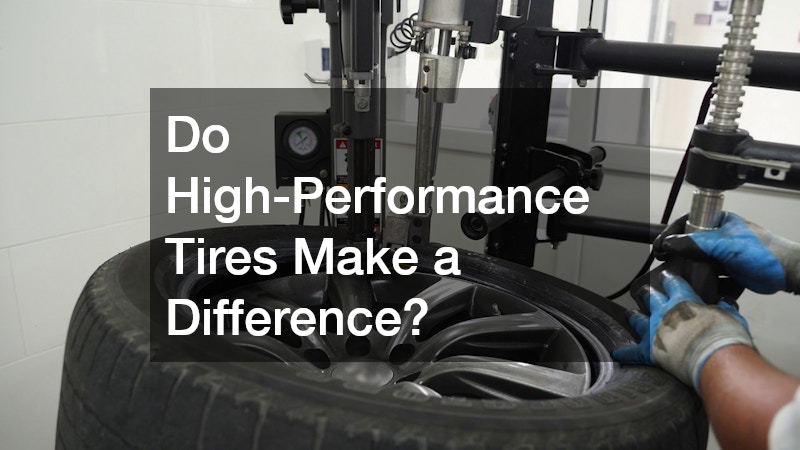
Wheels and tires appropriate for the vehicle and driving conditions.
Ask prospective specialists about their experience with your vehicle platform, the parts they recommend, and the expected results. Request clear information about installation requirements and potential effects on reliability.
Maintaining a vehicle requires a combination of preventative care, timely repairs, and thoughtful decisions about improvements. Routine inspections help identify developing problems, while specialized repair services address issues that require additional technical knowledge. Preparing for roadside emergencies and understanding collision risks also contribute to safer driving habits.
The most effective approach begins with understanding how a vehicle is used and identifying which improvements provide genuine value. Not every modification is necessary, and not every mechanical concern requires extensive replacement work. Careful research, accurate diagnosis, and qualified installation can help owners make better decisions at every stage.